2026: The Year of the Forward Deployed Engineer
24 Nov, 2026


In the last week of June 2026, Google reportedly lost five AI researchers in a single week. ...

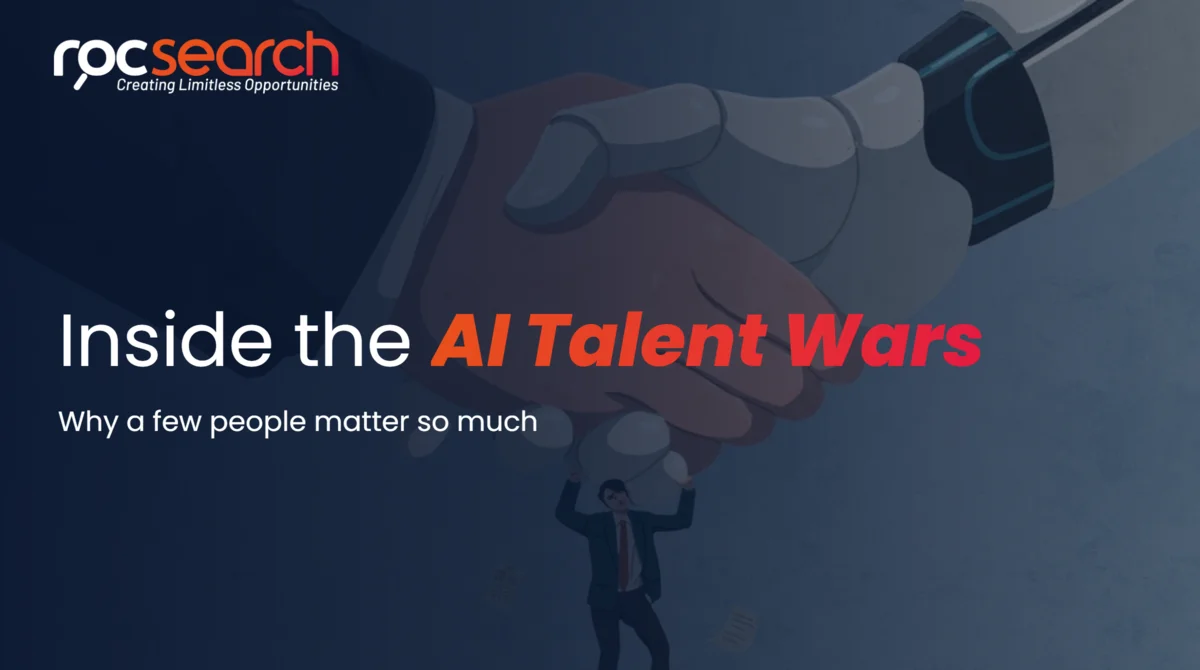
In the last week of June 2026, Google reportedly lost five AI researchers in a single week. Reports described the departures as adding pressure on its Gemini and DeepMind teams, coming shortly before the delayed launch of Gemini 3.5 Pro. In the same period, AI startups continued to raise large rounds: Upscale AI raised $190 million at a $2 billion valuation, Sail Research raised $80 million and Patronus AI raised $50 million.
Movement of senior AI talent between labs is not new. What stood out in June was how visible it had become, and how directly it was linked to product timelines and company valuations. In AI, a small number of people can shape the direction of an entire organisation, and everyone knows it.
In most engineering fields, output scales with team size. In frontier AI research, a handful of experienced researchers can have a disproportionate impact. They decide which architectures to pursue, how to train models efficiently and which ideas are worth the enormous compute budgets involved.
When those people leave, they take knowledge, judgement and often colleagues with them. A competitor that hires them can close a capability gap faster than it could through hiring alone. This is why AI labs have been willing to pay exceptional packages, and why departures attract so much attention.
Compensation is part of the story, but rarely all of it. Researchers and senior engineers tend to move for a combination of reasons:
Startups funded with hundreds of millions of dollars can now offer a credible combination of compute, autonomy and upside, which makes them strong competitors to established labs.
The talent wars are not limited to elite research scientists. Demand has spread across the AI stack:
June also showed the cost side of AI becoming a specialism in itself. Startups such as Ornn raised money to commoditise AI compute, and new standards work began on how AI token billing should be tracked. Expertise in making AI economically viable is increasingly valued.
For most organisations, competing directly with frontier labs for top researchers is unrealistic. But the talent wars still affect them. Salary expectations rise across the market, experienced candidates receive more offers and hiring timelines get tighter.
Organisations outside big tech can still compete effectively by focusing on what they offer that labs cannot:
Real-world problems. Many engineers want to see AI applied to areas like healthcare, energy, finance or manufacturing, where the impact is tangible.
Breadth of responsibility. In a smaller team, an engineer may own a whole system rather than a narrow component.
Stability and balance. Not everyone wants the intensity of a frontier lab or a fast-growing startup.
Clear progression. A visible path to leadership can be more attractive than a marginally higher salary.
June's news is also a reminder that keeping people is as important as attracting them. AI specialists are approached constantly. Organisations that retain them well tend to invest in interesting work, give access to the tools and compute people need, recognise contributions publicly and keep compensation under regular review.
Losing a key AI engineer mid-project can set a team back months. Proactive conversations about career goals, before someone starts interviewing elsewhere, are one of the most effective retention tools available.
The demand for AI talent is unlikely to ease soon. Capital continues to flow into AI companies, and every major technology firm sees AI as central to its future. For engineers with the right skills, it is an exceptional market. For employers, it calls for a clear proposition, efficient hiring processes and serious attention to retention.
Roc Search helps organisations find and keep the AI and machine learning talent they need, from early-stage startups to established enterprises. If you are building an AI team, or you are an engineer weighing your options, get in touch.